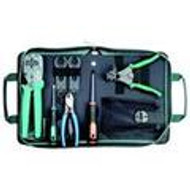
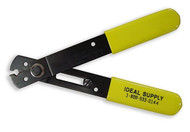
Every successful blasting operation depends on precision tools that are built for tough environments and exacting demands. This Tools category houses a wide range of hand-held and power tools, carefully chosen to support the specialized needs of blasting, surveying, loading and EOD/ballistic tasks.
Whether you’re crimping detonator caps, stripping wires, cutting cable, or outfitting a rig with cordless power equipment, these tools are selected for durability, safety and functionality in high-stress settings. From non-sparking hand tools made of bronze or ceramic to heavy-duty cordless kits designed for mobile field operations, the gear here is engineered to perform when it matters most.
What you’ll find in this category:
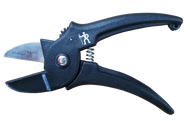
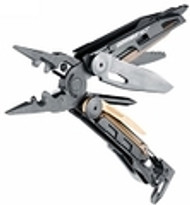
Crimpers, cutters, wire strippers and multi‐tools tailored for the detonator, initiation and cable-handling workflow.
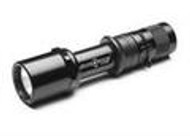
Flashlights, knives, powder punches and other hand tools designed for field operations where access, visibility and safety are critical.
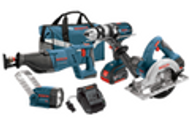
Cordless power tool kits — drills, saws, oscillating multi‐tools, grinders and more — ideal for site-prep, equipment maintenance or heavy-duty support tasks.
Specialty non-sparking materials: Since explosions or ignition sources are a real hazard on blast sites, many hand tools here are built from brass, bronze, ceramic or other safe alloy options.
Why this matters to your operation:
Having dedicated tools for blasting operations means fewer compromises — tools engineered for the environment reduce downtime, increase safety, and improve productivity.
Proper tool selection supports safe handling of initiation systems, explosive loads, cable routes and site equipment — all of which are critical when working in hazardous or tightly controlled zones.
Investing in quality tools reduces the risk of tool failure in the field — which can lead to mis-loads, detonation errors, delays or even safety incidents.
How to shop this category wisely:
Identify the exact workflow your crew uses (e.g., cap crimping, wire stripping, cable cutting) and choose tools designed for that workflow rather than generic “all-purpose” gear.
For field use: consider durability, portability, battery life (for cordless tools), ease of access and whether non-sparking or explosion‐safe materials are required.
Always verify compatibility with your existing kit: Does the tool interface with your cable/connector size? Does it meet the site safety requirements?
Keep spare parts and accessories in mind: blades, punches, batteries, chargers—tools are only as useful when they’re ready to go.
Storage and transport: With blasting tools often used in mobile, dusty or rugged environments, consider how the tool will be stored, carried and maintained on‐site.